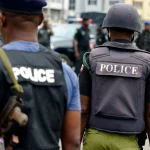
Ahead of Osun Governorship Election on August 15, the Nigeria Police Force has barred the Western Nigeria Security Network, codenamed Amotekun, vigilante groups and other unauthorised security outfits from participating in security operations.
Tripod Times reports that the directive was announced by the Assistant Inspector General of Police in charge of Zone XI in a statement made available to journalists on Wednesday through the zone’s Public Relations Officer, SP Ojedele Olanrewaju.
The police said only constitutionally recognised security agencies would be allowed to provide security before, during and after the governorship election.
This is just as the Chairman, Independent National Electoral Commission (INEC), Prof. Joash Amupitan disclosed that 2,339,233 registered voters will participate in the election.
The police said only constitutionally recognised security agencies would be allowed to provide security before, during and after the governorship election.
The Police Statement reads: “as part of efforts to maintain law and order throughout the election period, the Nigeria Police Force, in collaboration with other constitutionally recognised security agencies, will be solely responsible for the provision of security before, during and after the election.”
What we know
The 1999 Constitution places policing and national security strictly on the Exclusive Legislative List.
Only federal agencies have the lawful mandate to secure federal processes like elections.
Command and Control: Federal agencies operate under a unified national command structure. State outfits answer directly to state governors, creating a major conflict of interest during elections where those same governors or their parties are on the ballot.
Preventing Political Thuggery: Allowing state-controlled forces into polling zones risks turning them into legalized armed wings for sitting governors to intimidate opposition voters and manipulate results.
Standardized Rules of Engagement: Federal officers are explicitly trained on the INEC Code of Conduct and election laws.
State and local vigilante groups generally lack this specialized training, increasing the risk of human rights abuses at the polls.
Why the Policy Faces Practical Criticism
Severe Manpower Shortage: The NPF is heavily understaffed and stretched thin across Nigeria’s 176,000+ polling units. Barring state outfits leaves many rural voting centers completely unprotected.
Loss of Local Intelligence: Federal officers are often deployed to states where they do not speak the local language or understand the terrain. State outfits like Amotekun or state vigilantes possess deep local intelligence to spot and stop trouble early.
Slow Response to Violence: Because federal forces are spread thin, their response to ballot snatching or political thugs in remote areas is often too slow. Local outfits are already on the ground and could provide immediate containment.