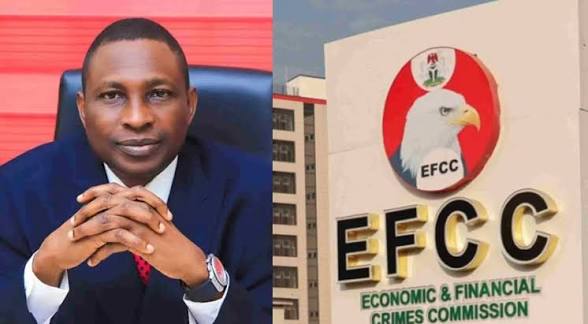
ABUJA, NIGERIA — The Executive Chairman of the Economic and Financial Crimes Commission (EFCC), Mr. Ola Olukoyede, has issued a stern warning to religious leaders across the country, declaring that the diversion of tithes, offerings, zakat, and other spiritual donations into private businesses constitutes a serious criminal offence.
Tripod Times reports that the EFCC boss gave the warning on Wednesday, September 23, 2026, in Abuja while speaking at the 2026 Second Council Meeting of the Nigeria Inter-Religious Council (NIREC). The high-level gathering, themed “Shared Sacred Flourishing in Nigeria,” also served as the official platform for launching the Commission’s new Anti-Corruption Interfaith Manual for Christian and Muslim leaders.
Addressing the assembly of prominent religious stakeholders, Olukoyede clarified that funds contributed by congregants for religious, charitable, and institutional purposes must be strictly utilized for their intended mandates. Transforming public spiritual contributions into private commercial capital violates existing anti-money laundering laws and financial regulations, opening perpetrators up to aggressive state prosecution.
“When money is paid to your organisation, don’t divert it to your business. That is criminal,” Olukoyede stated firmly.
He strongly advised religious administrators who engage in legitimate private commerce to maintain a rigorous, uncompromised barrier between their personal finances and the funds belonging to their churches, mosques, or ministries.
The anti-graft chief bitterly lamented that the Commission’s active financial crime case files are increasingly filled with individuals carrying high-profile religious titles, some of whom are already serving prison sentences.
He emphasized that faith leaders have an extraordinary responsibility to prevent corrupt practices before the law gets involved, noting that the EFCC will prosecute financial crimes indiscriminately, regardless of a suspect’s religious identity.
“The EFCC can investigate a person’s conduct. Faith communities can influence that person’s character,” the Chairman noted, challenging churches and mosques to swiftly establish strict internal controls and regulatory compliance mechanisms to safeguard public funds.
The commission concluded by urging faith-based financial officers nationwide to practice meticulous auditing and transparent reporting to avoid severe statutory consequences.